Exploring the Job of an Arborist: Important Services for Tree Well-being and Maintenance
An certified arborist is crucial for preserving tree health and longevity. These experts utilize specialized expertise to assess trees and develop customized care strategies. This encompasses trimming, identifying diseases, and controlling soil health. Tree care professionals play a significant role in fostering sustainable development. Their expertise not only enhances the beauty of landscapes but also promotes ecological health. Understanding their key services can reveal the critical impact they have on urban and rural environments as well.
The Necessity of Arborists in Tree Management

Even though many residents may fail to appreciate the function of arborists, their expertise is vital for preserving tree health and longevity. Arborists are trained professionals who focus on the care and maintenance of trees. They possess in-depth knowledge of tree biology, diseases, and environmental elements affecting growth. By assessing tree health, arborists can identify potential concerns, ranging from pest problems to nutrient shortages.
Their work include a variety of important tasks, including soil management, tree evaluations, and general maintenance strategies. Tree care experts also play a important role in making sure trees are situated in correct locations, factoring in elements such as sunlight, drainage, and space for development. Their guidance helps homeowners to make informed decisions that encourage sustainable tree growth. By hiring arborist care, homeowners not only enhance the aesthetics of their landscapes but also contribute to the ecological balance of their surroundings, ensuring trees flourish for a long time.
Key Tree Pruning Methods
Proper tree pruning practices are vital for preserving healthy and robust trees. Tree specialists use various techniques to improve tree structure, promote growth, and remove dead or diseased limbs. One fundamental technique is crown thinning, which means selectively removing branches to increase light penetration and air flow. Another important method is raising the crown, where the lowest boughs are removed to increase ground clearance and visibility. In addition, the practice of crown reduction decreases the overall mass of a tree’s canopy, minimizing stress while maintaining its shape.
Timing is also essential; cutting back is generally most effective during the dormant period in the period between late winter and early spring. This reduces the loss of sap and promotes robust development. Arborists recommend using sanitized, keen equipment to create clean incisions, which assists in avoiding damage to the tree. Finally, these essential practices don't just boost visual attractiveness but also significantly impact the tree's overall health and lifespan.
Tree Planting and Transplanting
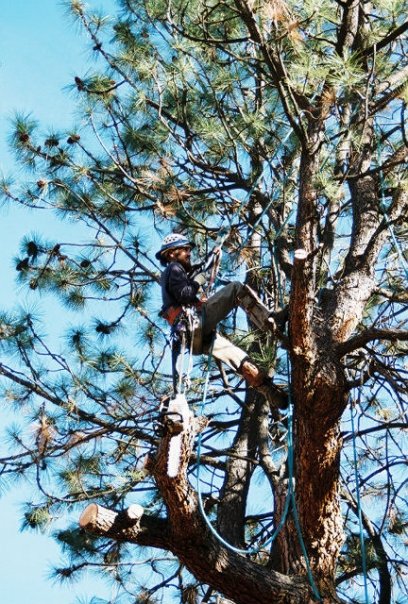
When looking at the installation of new trees, proper planting and transplanting techniques are vital for guaranteeing their effective establishment and fitting into the surrounding area. Arborists stress the necessity of picking the appropriate variety for the location's environment, as well as making sure the planting pit is prepared well. The hole must be sufficiently broad to fit the entire root ball, enabling adequate expansion and oxygen exchange
During transplantation, care must be taken to limit damage to the root system, which might obstruct the tree's chance to take hold in the new location. Arborists advise moving trees during the dormant season to minimize strain on the tree
(Florence Arborist)Following installation or moving, proper watering and mulching are essential to support the tree's settling in. Arborists also recommend tracking the tree’s growth and altering tending methods as needed to secure a smooth integration into the surrounding environment, thereby leading to a flourishing environment
Spotting Tree Maladies and Bugs
How do you successfully spot the indicators of tree maladies and insects? Arborists employ a deep knowledge of tree biology and environmental factors to diagnose these issues. Symptoms such as discolored leaves, lack of vigor, or early defoliation frequently signal hidden issues. Additionally, the presence of unusual growths, such as cankers or galls, can signal infections or pest problems.
Arborists also examine the bark for wounds, bores, or sawdust-like material, which could imply pest presence. Analyzing the soil and the surrounding area helps identify stressors such as inadequate drainage or lack of nutrients. Familiarity with seasonal trends is vital, as certain pests appear at particular times.
Arboricultural Health Evaluations and Care Programs

What techniques can be employed to maintain ideal tree health? Tree specialists typically start by performing detailed tree health checks, which involve a detailed examination of the tree's current status, covering its physical structure, foliage, and root system. The evaluation helps pinpoint potential concerns such as diseases, pests, or environmental stressors. After the evaluation, a customized care plan is created, addressing specific needs
Common components of these plans include proper watering schedules, feeding strategies, and cutting methods to boost development and hardiness - Florence Arborist. Additionally, arborists may recommend mulching and soil management to increase nutrient access and keep the soil damp. Routine checking is vital, which permits modifications to the management program as the situation develops. By putting these techniques into practice, the health and longevity of trees can be substantially bettered, making sure they flourish in their surroundings and simultaneously benefiting the entire ecosystem
The Role of Arborists in Municipal Tree Care
Arborists play an essential role in managing city trees by overseeing and preserving the health of trees in city environments. Their specialized knowledge significantly adds to the ecosystem's steadiness and aesthetic value in city environments. Tree specialists participate in planting trees, ensuring appropriate species selection based on the specific site conditions and municipal planning necessities. They conduct regular health assessments to identify diseases, pests, and structural issues, implementing targeted treatments to enhance tree health.
Moreover, arborists formulate and carry out maintenance plans that include pruning, fertilization, and irrigation, optimizing tree growth and longevity. Arborists also inform residents about the importance of trees and appropriate care methods. By collaborating with city planners and environmental organizations, arborists contribute to sustainable urban development, promoting biodiversity and bettering the air we breathe. Their efforts are vital in developing green environments that serve both the community and nature, leading to healthier city environments.
Commonly Asked Questions
Where Can I Locate a Certified Arborist Near Me?
If you want to find a professional tree expert in the local area, it is advisable to check online directories, check with local gardening centers, or get in touch with tree care associations. It's crucial to check their qualifications and check feedback to ensure high-quality work.
What Qualifications Should I Look for in an Arborist?
When looking for an arborist, it is important to find certifications including ISA or ASCA, sufficient expertise, proper insurance, and a good standing based on feedback. These credentials confirm professionalism and expertise in tree care and maintenance.
Is There a Best Time for Tree Pruning?
The best time for tree trimming is during late winter or early spring when trees are dormant. Yet, some species do well with summer pruning. The complete article right time hinges on the tree type and individual growing habits to promote health and form.
What is the Price Range for Arborist Work Typically Cost?
Arborist services typically cost between $300 and $1,500, based on variables like tree size, location, and the difficulty of the job - Florence Arborist. The rates often differ greatly based on regional demand and service provider experience
Can I Perform Tree Care Without Professional Help?
Absolutely, you can manage basic tree care without professional help, such as watering and mulching. Nevertheless, for difficult jobs, like pruning or identifying illnesses, seeking advice from a professional arborist is best to ensure the tree's vitality.